Some feelings need
a bigger canvas.

I'm Dr. Tanya Dixit — a counselling psychologist with a PhD, nine years of practice, and a firm belief that hard feelings deserve beautiful rooms. Talking is one way in. Paint, clay and colour are others. You bring the feeling; I'll hold the space.

How are you arriving today?

— tap one, if any of them is true —

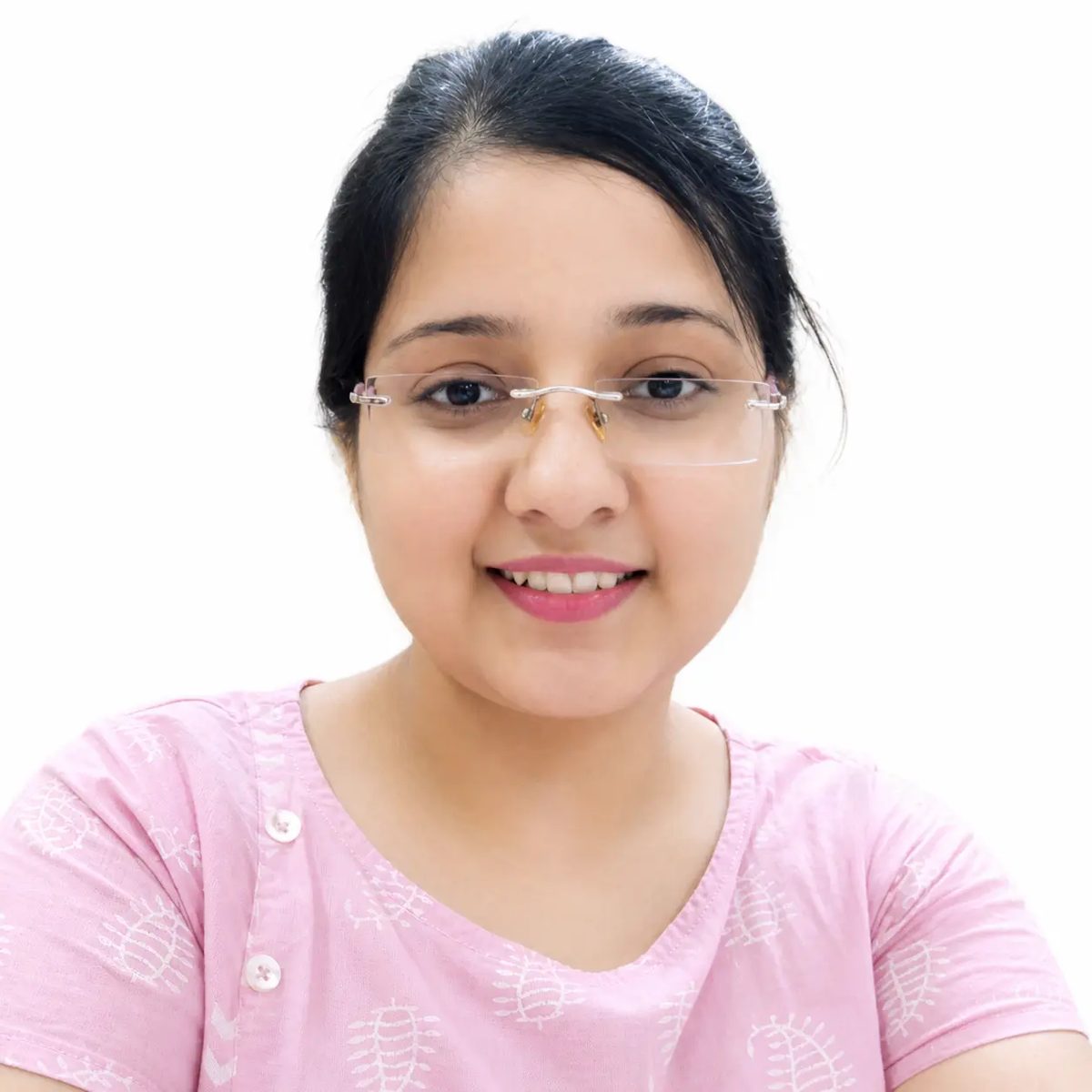
Dr. Tanya Dixit — counselling psychologist, warm smile, photographed for her Manochikitsa team profile
Dr. Tanya Dixit Counselling Psychologist · PhD Psychology photograph from her public team profile

A safe, non-judgemental room —
her stated way of working.

"My mission is to bring smiles to sad faces and spread positivity in the world."

— Dr. Tanya Dixit, on her public profiles

Nine years of practice. Marriages finding their words again. Children who draw what they can't say. OCD and anxiety met with structure and patience. A PhD behind the warmth, and a simple rule in front of it: nobody is judged in this room.

9 years of practice PhD Psychology 4 ways in: talk · art · play · assessment

Admission is free. Change is the exhibit.

Book below — or keep walking through the rooms first. The gallery keeps no records of your visit.

The person holding the space.

A counselling psychologist and psychotherapist practising in Lucknow — described on her own professional profile as empathetic, and dedicated to a safe, non-judgemental environment for her clients.

Dr. Tanya Dixit — counselling psychologist, Lucknow
Dr. Tanya Dixit · Lucknow · 9 years of practice

Training & practice

Dr. Dixit holds a PhD in Psychology and has spent nine years in counselling practice — currently part of the clinical team at Manochikitsa, Lucknow's long-standing mental health service . Her rooms cover marital and relationship counselling, child and adolescent counselling, emotional and relationship issues, career-related stress, OCD, and cases that benefit from formal assessment.

What sets her practice apart is the same thing that sets art therapy apart: the belief that not everything true can be said in sentences. A drawing, a colour choice, a lump of clay — these are honest where conversation needs practice. Her assessments and therapy both make room for that honesty.

The way she works

Empathy first, structure close behind. Sessions are unhurried, private, and entirely without the fear of being labelled. Children get a room where play is fluent; couples get a room where both sentences count; anxious minds get protocols with proof. Everyone gets to be heard before they are helped.

"A safe, non-judgemental environment — that's not the garnish. That's the dish."

Walk into the room that fits.

Each room answers a different kind of ache. Open one — the light is already on.

Unhurried, structured, and never judging.

Warmth without method is just friendliness; method without warmth is just paperwork. Her practice runs on both.

First session

You talk, or you don't — either is fine. There's no intake-interrogation. The first meeting is about safety: what brings you, what you've tried, what you're afraid this might mean, and what "better" would actually look like for you. You leave with a sense of the path, even if you decide not to walk it.

The middle

Sessions build on each other: feelings mapped, patterns named, skills practised in the room and tested in the week. Where assessments are needed, they're done formally. Where art helps, it's offered. Where structure works, it's explained so plainly you could explain it to someone else.

Confidentiality

What's said in the room stays in the room — the ethics of a registered clinical practice, not a promise. The exceptions are safety-related and are explained to every client in the first session, in plain words.

Empathetic her own profile's first word
Non-judgemental the environment she builds
Assessment-capable formal psychological & diagnostic assessment
Team-based Manochikitsa, Lucknow
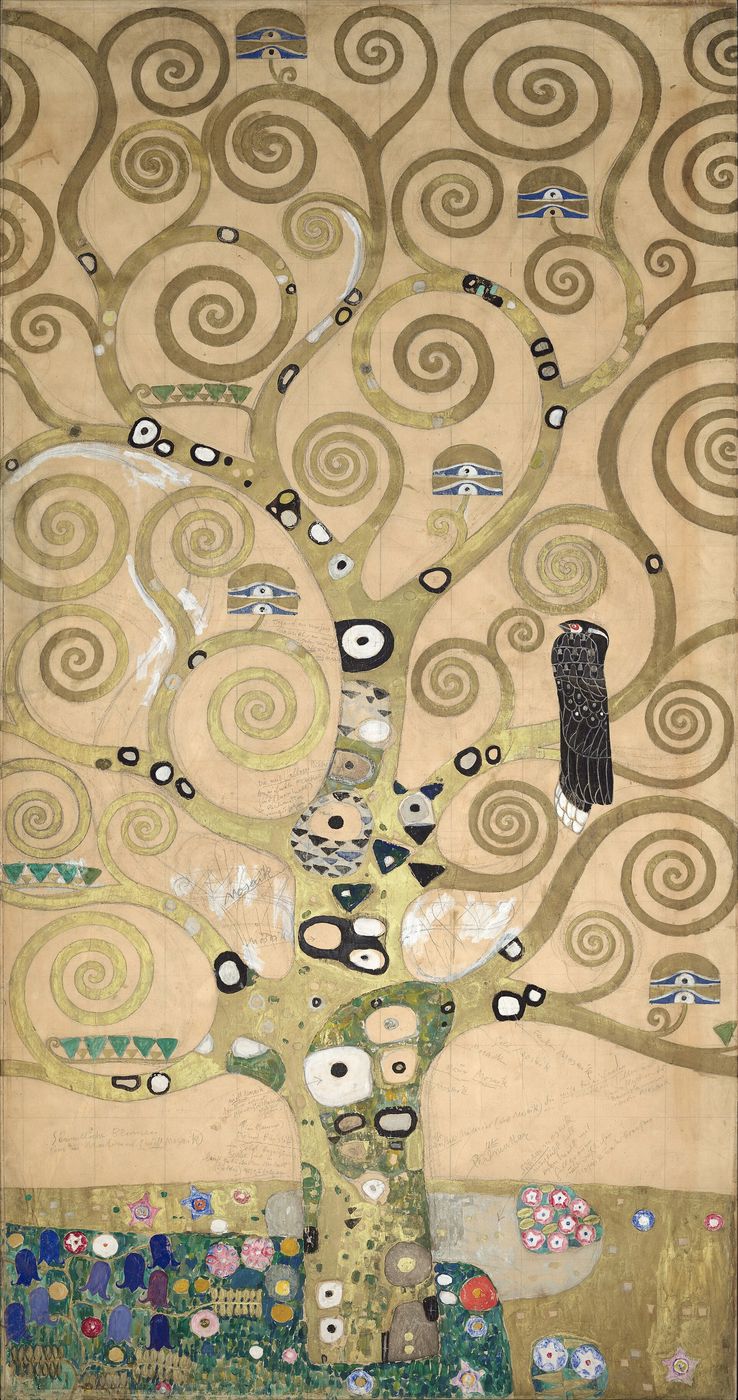
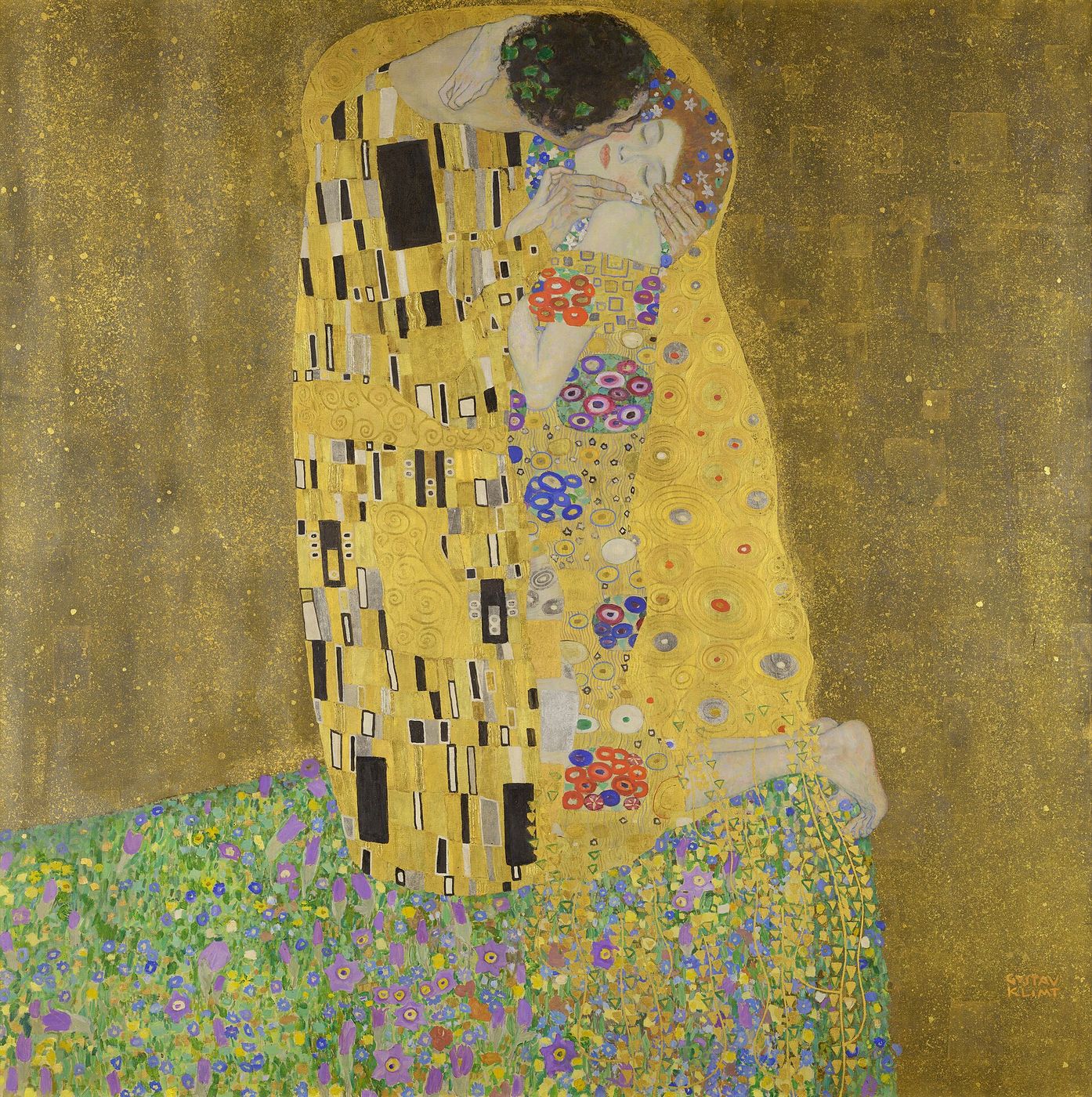
Gustav Klimt, Tree of Life — every feeling a branch
The work, in one image: feeling, given form.

Asked at the entrance.

Do I need to be "good at art" for art therapy?

No — truly, no. Art therapy isn't graded and isn't about skill. A stick figure drawn honestly beats a masterpiece drawn guardedly. If you can hold a crayon, you're qualified. If you can't, clay works too.

What does a session cost?

Fee is ₹ [[—]] — confirmed when you book, because the honest answer depends on session type and format (individual, couple, child, assessment). You'll always be told clearly before you commit. confirm

Couples counselling — will you take sides?

Never. The relationship is the client, not either person in it. Both voices carry equal weight in the room — even when one of them arrives angrier, or quieter, than the other.

My teenager refuses therapy. Now what?

Common, and workable. Teens often say yes to a first meeting framed as "one conversation, zero commitment" — especially when they hear that the room doesn't report to parents. Art-based approaches also lower the barrier: it's easier to sit with a brush than a questionnaire.

Do you see clients online?

Both formats are offered — in person in Lucknow, and online where appropriate. Children's art-based work and formal assessments are usually better in person; talk therapy travels well.

What if it's urgent?

If you or someone near you is at immediate risk, don't wait for an appointment: Tele-MANAS (Govt of India) answers 24×7 at 14416 or 1-800-891-4416, and Kiran helpline at 1800-599-0019. When you book, say it's urgent — urgent requests are treated as urgent.

Begin one honest conversation.

The form composes a WhatsApp message — the modern equivalent of a note left at the gallery desk.

Request a session

Opens WhatsApp with your details pre-filled — nothing is stored on this site. Prefer calling? +91 85546 11368 number from lead sheet — verify on first call

If it can't wait: Tele-MANAS 24×7 14416 · Kiran 1800-599-0019 · iCall 9152987821 — free, confidential, in your language.